Closing that gap between worry and reality is one of the highest-leverage things you can do for your own safety.
What actually hurts travellers
The data is consistent across multiple sources – the US State Department, the UK Foreign Office, travel insurance claim records, and academic studies of expatriate mortality. The leading causes of injury and death among travellers abroad, in rough order, are:
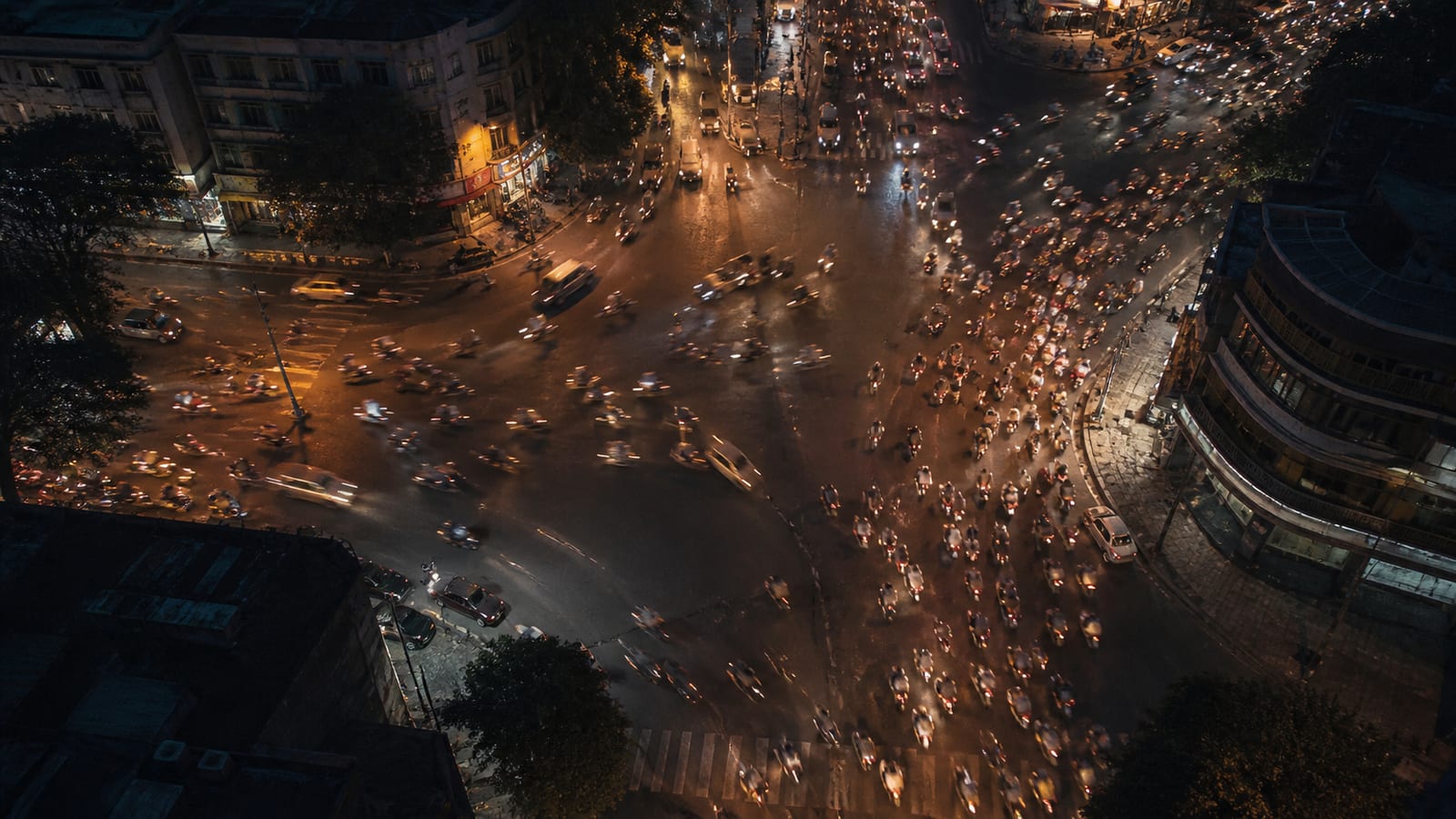
- Road traffic accidents. By a very large margin. They account for more traveller deaths than every other cause combined in many countries. Pedestrians, cyclists, and motorbike riders are especially exposed. Local driving standards, unfamiliar road layouts, and night driving compound the risk.
- Cardiovascular events. Heart attacks and strokes spike during travel – partly because travel is stressful, partly because travellers skip medication, eat differently, and drink more.
- Drowning. Often in unfamiliar waters, often after alcohol, often in places without lifeguards. A leading killer of young travellers in particular.
- Falls. Hotel balconies, hiking trails, slippery bathrooms, unmarked construction sites. Mundane, common, and frequently serious.
- Infectious disease. Most are inconvenient rather than dangerous, but a small number – dengue, malaria, hepatitis, occasionally something rarer – cause real harm. Vaccination and basic precautions handle most of this.
Terrorism, kidnapping, and serious violent crime are real risks in specific places at specific times. They're worth taking seriously. But for the average international traveller, they sit far down the list.
Why we get this wrong
Two reasons. First, terrorism is dramatic and well-reported, while road accidents abroad rarely make international news. The result is what psychologists call availability bias – we estimate risk based on what comes to mind, and dramatic events come to mind faster.
Second, the real risks feel mundane and within our control, which makes us underestimate them. Everyone thinks they're a careful driver, a strong swimmer, the kind of person who pays attention on a balcony. The statistics suggest most of us are wrong about at least one of those.
What actually works
The good news: the interventions that address the real risks are simple, cheap, and almost universally ignored.
- Use seatbelts. Every time. In every vehicle, including taxis and rideshares. This is the single highest-impact thing you can do for your safety abroad. Ask drivers to slow down if they're driving aggressively – most will. Avoid two-wheelers in countries with poor road discipline.
- Don't swim alone, drunk, or in places without lifeguards. Most drowning deaths involve at least one of these.
- Keep taking your medication. If you take anything daily – blood pressure, statins, anticoagulants – pack double what you need and keep it in two locations.
- Watch where you walk. Hotel balconies and bathrooms cause more injuries than most travellers would believe. Pay attention.
- Get your vaccines and use insect repellent in the relevant places. Both are highly effective and cost almost nothing.
For terrorism and political violence, the playbook is different: situational awareness, real-time alerts, avoiding obvious targets during high-risk windows, and having an exit plan. These risks are real but rare, and the right response is calibrated, not panicked.
The framing that helps
A useful way to think about travel risk: spend your worry budget proportionally. If 70% of the actual risk to your trip comes from road traffic and routine accidents, spend 70% of your safety preparation there. Don't spend 90% of it on the 5% of risk represented by dramatic but unlikely events.
The travellers who get this right tend to come home with their stories intact.